 Maikhun
Tarot is a fascinating system of divination that has captivated individuals for centuries. At its core, a tarot deck typically consists of 78 cards, divided into two main sections: the Major Arcana and the Minor Arcana. The Major Arcana comprises 22 cards that represent significant life themes and spiritual lessons, such as The Fool, The Lovers, and The World.
Each of these cards carries profound symbolism and can be interpreted in various ways depending on the context of a reading. The Minor Arcana, on the other hand, consists of 56 cards divided into four suits: Cups, Pentacles, Swords, and Wands. Each suit corresponds to different aspects of life—emotions, material matters, intellect, and creativity, respectively.
Understanding tarot requires more than just memorizing card meanings; it involves grasping the intricate relationships between the cards and the narratives they weave together during a reading. For instance, drawing The Tower alongside The Star can suggest a tumultuous upheaval followed by hope and renewal. This interconnectedness allows for a rich tapestry of interpretations that can resonate deeply with individuals seeking guidance or insight.
Moreover, tarot readings can be approached from various angles—intuitive, psychological, or even historical—each offering unique perspectives on the cards’ meanings and their relevance to the querent’s life.
Key Takeaways
- Tarot is a tool for self-reflection and connection, offering insight and guidance for personal growth.
- Tarot can be used for icebreakers and group activities, fostering communication and connection among participants.
- Incorporating tarot into community events and gatherings can add a unique and engaging element to the experience.
- Creating a tarot circle or group can provide community support and a space for sharing experiences and insights.
- Addressing misconceptions and skepticism about tarot in community settings can help promote understanding and acceptance of its value.
Using Tarot for Icebreakers and Group Activities
Encouraging Self-Expression and Deeper Conversations
One simple activity involves each participant drawing a card from the deck and sharing how they relate to its imagery or meaning. This not only encourages self-expression but also opens up avenues for deeper conversations as participants discover shared experiences or contrasting viewpoints.
Collaborative Readings for Enhanced Understanding and Camaraderie
Another effective way to utilize tarot in group settings is through collaborative readings. Participants can work together to interpret a single spread, discussing their insights and feelings about the cards drawn. This collective approach not only enhances understanding of the tarot but also builds camaraderie among group members.
Fostering a Sense of Community
By engaging in this shared experience, individuals can break down barriers and foster a sense of community, making it easier to connect on a personal level. Tarot can be a powerful tool for building connections and encouraging meaningful interactions in social settings.
Incorporating Tarot into Community Events and Gatherings
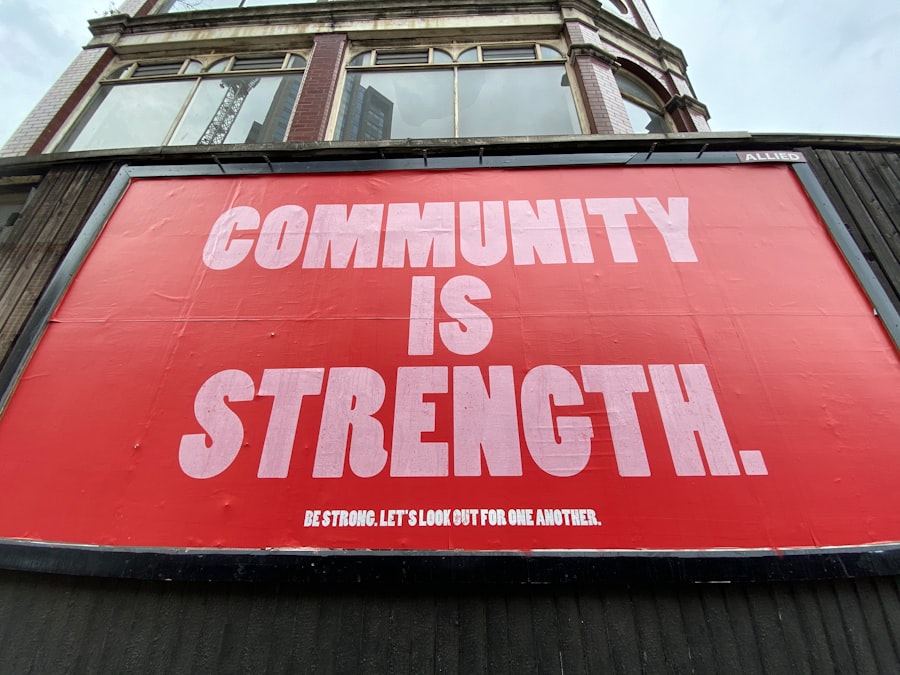
Tarot can be seamlessly integrated into various community events, providing an enriching experience for attendees. For instance, at local fairs or festivals, tarot readers can set up booths to offer mini-readings, allowing individuals to explore their questions in a casual environment. This not only attracts people to the event but also creates an opportunity for community members to engage with one another through shared experiences of curiosity and exploration.
Workshops centered around tarot can also be organized within community centers or libraries. These workshops can cover topics such as basic card meanings, intuitive reading techniques, or even the history of tarot. By providing educational resources, communities can demystify tarot and encourage individuals to explore it further.
Additionally, incorporating art activities—such as creating personalized tarot cards—can enhance engagement and allow participants to express their creativity while learning about the symbolism behind each card.
Tarot as a Tool for Self-Reflection and Connection
The practice of tarot offers profound opportunities for self-reflection and personal growth. When individuals engage with tarot cards, they are often prompted to confront their thoughts, feelings, and life circumstances in a new light. For example, drawing The Hermit card may encourage someone to reflect on their need for solitude or introspection during a challenging period.
This process of self-exploration can lead to greater self-awareness and clarity regarding one’s goals and desires. Moreover, tarot can facilitate connections between individuals by providing a shared language for discussing personal experiences. When people gather to share their readings or insights from tarot, they often find common ground in their struggles and triumphs.
This shared vulnerability fosters empathy and understanding within the group, creating a supportive environment where individuals feel safe to express themselves. As participants delve into their interpretations of the cards, they may uncover insights that resonate not only with their own lives but also with those of others around them.
Creating a Tarot Circle or Group for Community Support
Establishing a tarot circle or group within a community can serve as a powerful support system for individuals seeking connection and guidance. Such groups can meet regularly to share readings, discuss card meanings, and explore various themes related to personal development and spirituality. By creating a safe space for open dialogue, participants can cultivate trust and camaraderie while deepening their understanding of tarot.
In addition to sharing readings, these groups can also engage in themed discussions or workshops that focus on specific aspects of tarot practice. For instance, one meeting could center around the concept of shadow work—exploring the darker aspects of oneself through the lens of tarot—while another might focus on manifesting intentions using the cards as guides. This diversity in activities not only keeps participants engaged but also allows them to explore different facets of their lives through the transformative power of tarot.
Addressing Misconceptions and Skepticism about Tarot in Community Settings
Debunking Common Misconceptions
Despite its growing popularity, tarot is often misunderstood, leading to skepticism about its value as a tool for personal growth and community connection. Many view tarot as mere fortune-telling or associate it with superstition, which can create an unwelcoming environment for those interested in exploring it.
Workshops or informational sessions can help demystify tarot by explaining its historical context and emphasizing its role in self-discovery and empowerment.
Personal Testimonials and Open-Mindedness
Sharing personal testimonials from individuals who have experienced positive transformations through tarot can also help bridge the gap between skepticism and acceptance. When community members hear stories of how tarot has facilitated healing or provided clarity during difficult times, they may be more inclined to approach it with an open heart and mind. By fostering dialogue around these misconceptions and highlighting the benefits of tarot practice, communities can create an environment where individuals feel empowered to explore this ancient art without fear of judgment or misunderstanding.